

NEWS
Justice And The Rule Of Law In A World That Does Not Make Sense
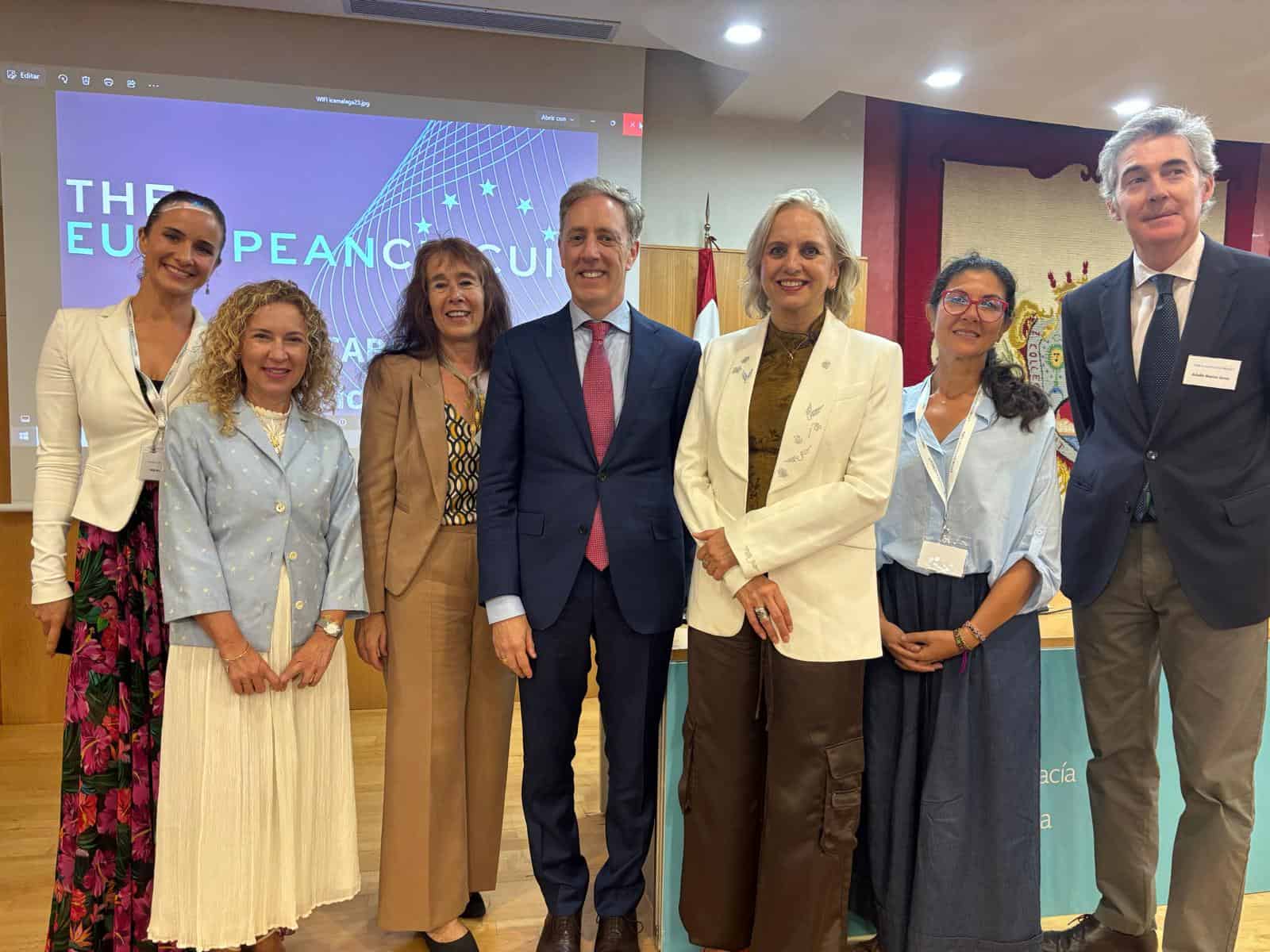
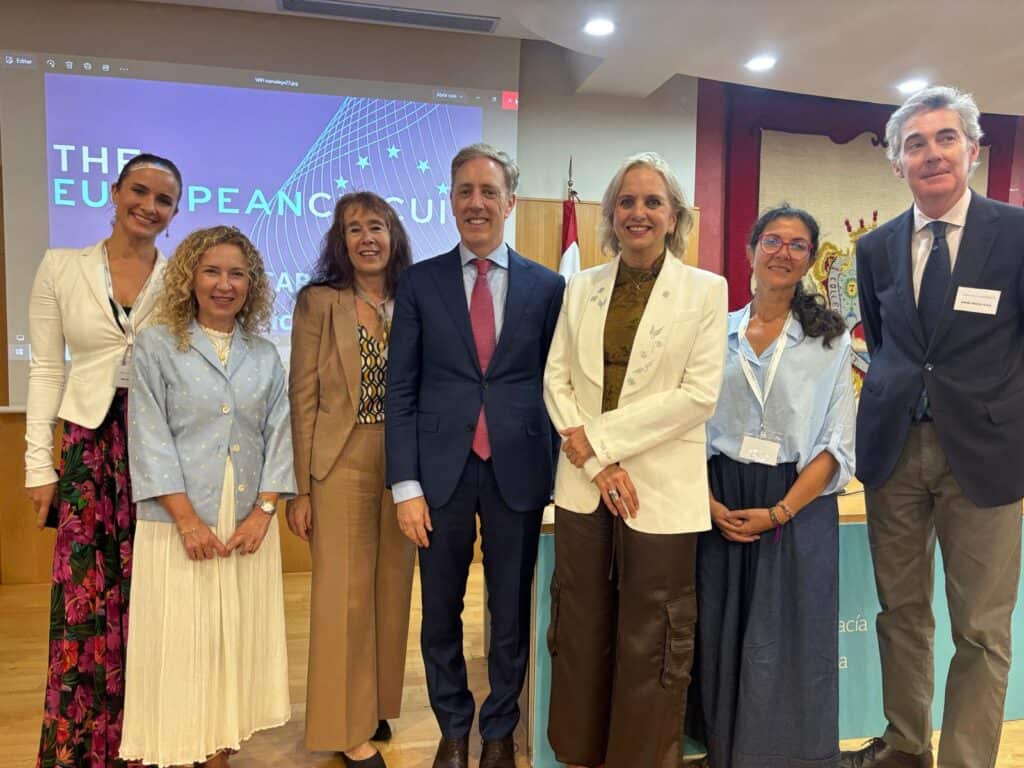
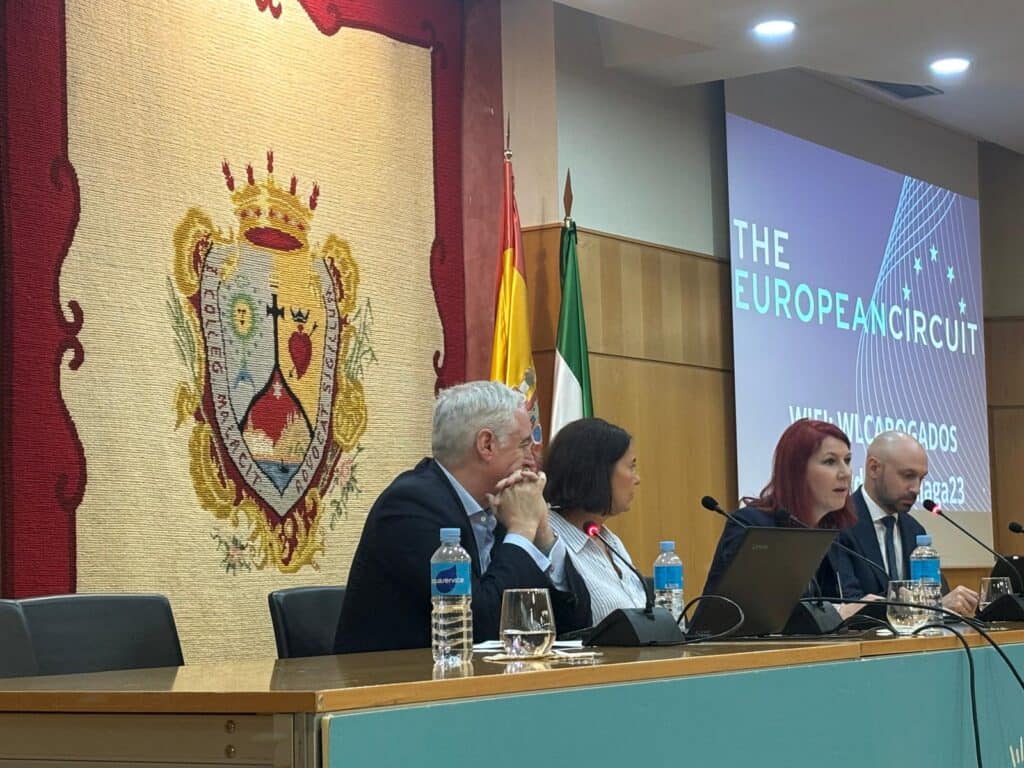
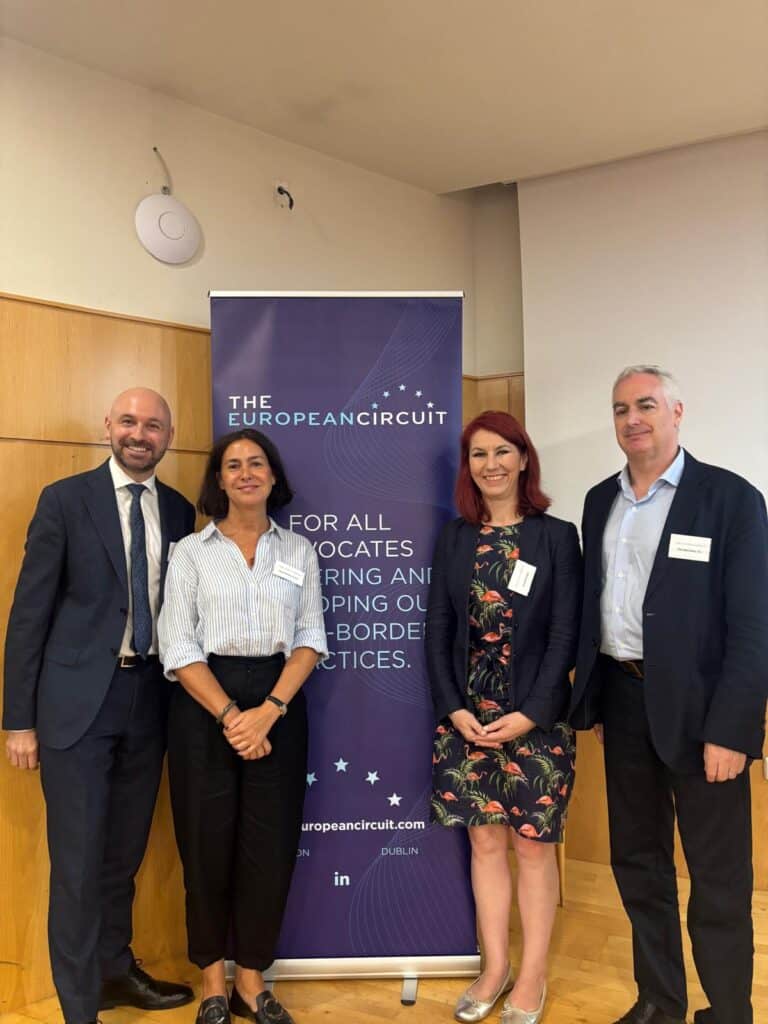
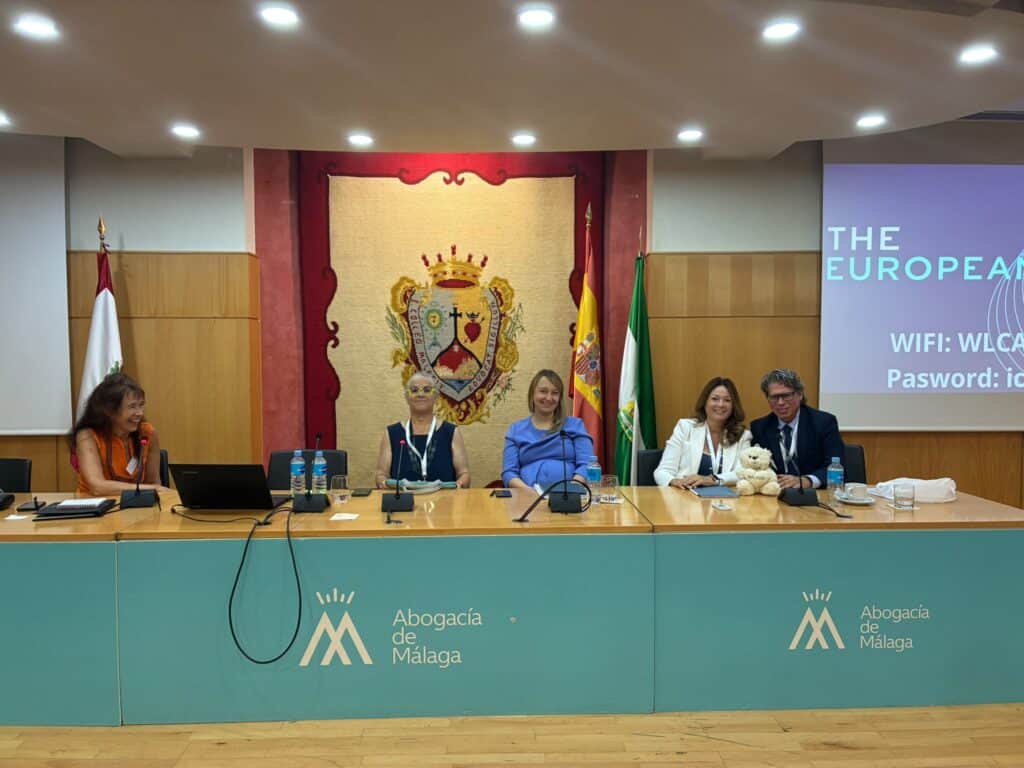
Against the backdrop of Málaga’s historic Bar Association, the European Circuit’s Annual Conference 2026 brought together judges, advocates, academics and bar leaders from across Europe to consider a provocative theme: Justice and the Rule of Law in a World That Does Not Make Sense.
Over two days, delegates explored issues ranging from judicial independence and the protection of lawyers to migration, international advocacy, cross-border litigation and family justice. Although the speakers came from very different jurisdictions and legal traditions, a strikingly consistent message emerged. The rule of law is rarely weakened by direct attack. More often, it is eroded incrementally, in the name of efficiency, security, political expediency, administrative convenience or public interest.
The challenge for lawyers, therefore, is not merely to represent clients but to defend the institutions, safeguards and legal principles that make justice possible.
DAY ONE
OPENING ADDRESS
The conference opened with welcoming remarks from Abigail Holt, Leader of the European Circuit, and José María Dávila of the Málaga Bar. Drawing on Málaga’s rich legal and commercial history, delegates were reminded that the city has served as a centre of commerce, legal activity and international exchange for centuries.
Taking inspiration from Picasso’s observation that “the world today does not make sense, so why should I paint pictures that do”, the opening session considered how lawyers are increasingly required to respond to complex and sometimes contradictory legal and political developments. A recurring theme was the need for common European responses to challenges that transcend national borders.
BAR LEADERS PANEL
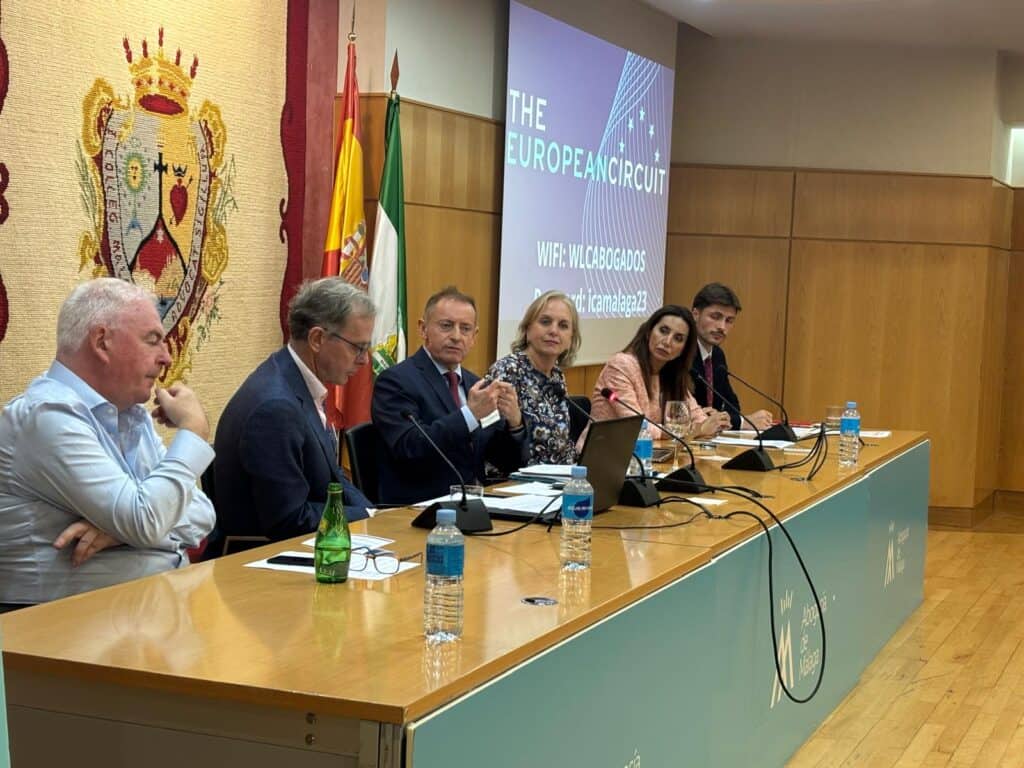
Expertly chaired by Abigail Holt, the Bar Leaders Panel provided a panoramic view of the challenges facing the legal profession across Europe.
The discussion ranged widely across judicial review, professional privilege, criminal justice reform, lawyer wellbeing, freedom of expression and the protection of lawyers. Speakers from Ireland, the Czech Republic, Spain, France, England and Wales, and the CCBE identified common concerns despite significant differences between their legal systems.
Particular attention was given to the growing tendency across Europe to portray legal safeguards as obstacles to efficiency or progress. Speakers considered attempts to restrict judicial review, increase state access to confidential information, curtail procedural protections in criminal cases and weaken the independence of lawyers through direct and indirect means.
The panel repeatedly returned to the importance of legal professional privilege, judicial independence and access to effective representation. Delegates were reminded that these protections exist not for the benefit of lawyers but for the protection of the public.
The discussion also explored the pressures facing modern practitioners. Alongside constitutional and institutional concerns, speakers highlighted increasing workloads, wellbeing challenges and financial insecurity within the profession, emphasising that a healthy justice system depends upon healthy and sustainable legal careers.
A lively audience discussion followed, exploring topics including victims’ rights, climate litigation, public criticism of lawyers and the ethical responsibilities of legal practitioners.
Key take-away: Across Europe, bar leaders face different challenges, but all share a common responsibility to defend judicial independence, professional privilege and access to justice, particularly when doing so is politically or publicly unpopular.
DAY TWO
KEYNOTE ADDRESS
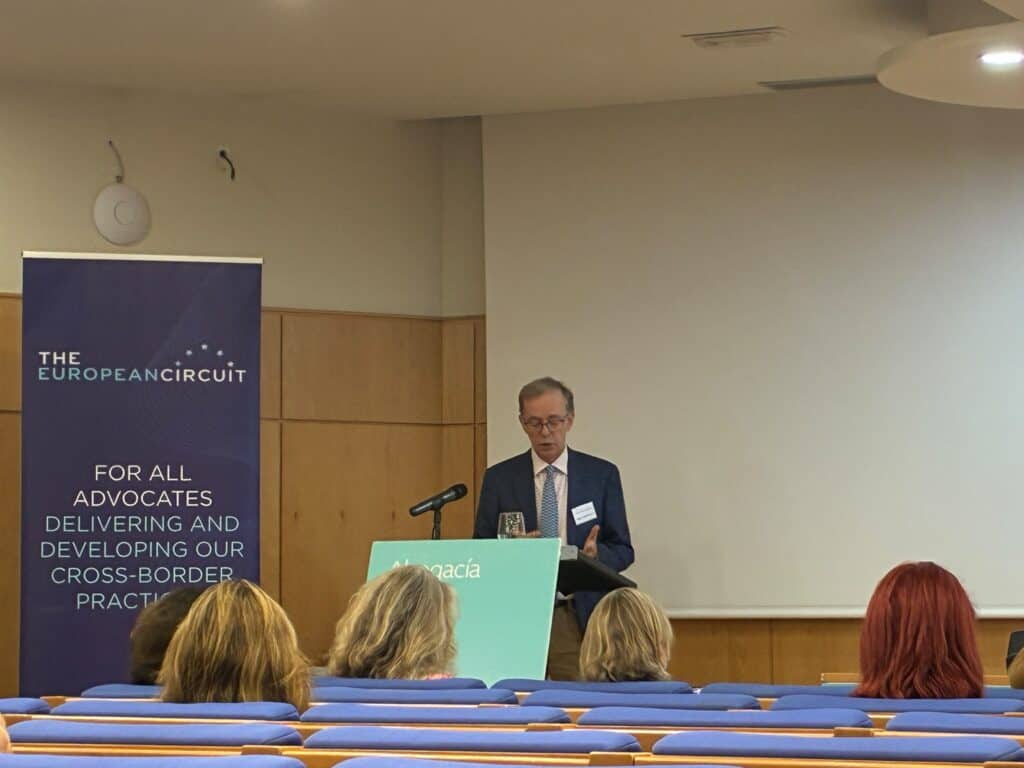
Judge Hugh Mercer opened the second day with the conferene keynote speech examining the threats facing lawyers and judges who hold power to account.
Drawing on historical and contemporary examples, the keynote explored the ways in which governments and institutions have sought to undermine the legal profession, whether through direct attacks, intimidation, sanctions or regulatory pressure. Examples ranged from twentieth-century Europe to modern cases involving lawyers acting for governments’ critics, political dissidents and journalists.
Particular emphasis was placed on the role of bar associations and professional bodies in responding collectively to such challenges. Delegates heard about the development of the Council of Europe Convention on the Protection of the Profession of Lawyer and its potential significance in creating enforceable protections for lawyers across Europe and beyond.
The keynote also highlighted a central paradox: lawyers are often highly effective at defending clients but considerably less effective at defending themselves and their institutions.
Key take-away: The independence of lawyers and judges remains essential to the rule of law, and collective action through professional organisations is often the most effective means of defending that independence.
PANEL ON RECOGNITION AND ENFORCEMENT OF JUDGMENTS BETWEEN THE EU AND THE UK
This session explored one of the most significant practical consequences of Brexit for legal practitioners: the recognition and enforcement of judgments between the United Kingdom and European Union Member States.
The panel examined the increasingly complex network of conventions, domestic procedures and residual legal mechanisms that now govern cross-border enforcement. Speakers contrasted the relative simplicity of the pre-Brexit regime with the greater procedural and strategic challenges that practitioners now face.
The discussion covered practical experiences from Spain, Ireland and England and Wales. Particular attention was given to the importance of procedural compliance, service requirements, translation issues and the need to consider enforcement strategies from the outset of litigation rather than after judgment has been obtained.
The panel also considered whether future bilateral arrangements or broader international agreements may help restore some of the certainty that previously existed.
Key take-away: Cross-border enforcement can no longer be treated as an administrative afterthought. It must now form a central part of litigation strategy from the earliest stages of a case.
CONDUCT IN FINANCIAL REMEDY PROCEEDINGS PANEL
Chaired by Ms Justice Nuala Jackson, the family law panel considered one of the most challenging and rapidly developing topics in modern family justice: the role of coercive and controlling behaviour in financial remedy proceedings.
Drawing on perspectives from California, Spain and England and Wales, the discussion examined the extent to which courts should take account of abusive conduct when determining financial outcomes following relationship breakdown.
The panel explored the evolution of legal approaches to domestic abuse, particularly the growing recognition that coercive control may consist of numerous small acts whose cumulative impact can be severe. Questions were raised as to whether traditional legal approaches adequately capture these experiences and whether financial remedies should take greater account of them.
Significant debate focused on the practical difficulties involved in proving such conduct, the resource implications for courts and litigants, and the dangers of transforming financial remedy proceedings into lengthy fault-based disputes.
The discussion also addressed mediation, legal aid, access to justice and the procedural protections available for vulnerable parties within family proceedings.
Key take-away: Legal systems across different jurisdictions are continuing to grapple with how best to recognise coercive control while maintaining fair, efficient and proportionate processes.
EU-UK UPDATE
The conference’s EU-UK update provided a comprehensive overview of the evolving relationship between the United Kingdom and the European Union.
Delegates heard about developments in defence cooperation, competition regulation, educational programmes, dynamic alignment and ongoing negotiations relating to trade and regulatory cooperation.
The session emphasised both the complexity and the breadth of the modern UK-EU relationship. While Brexit fundamentally altered the legal framework, practical cooperation continues to expand in a number of important areas.
Particular discussion focused on the challenges created by dynamic alignment and the question of how the United Kingdom can participate in various European initiatives while remaining outside formal EU structures.
Key take-away: The post-Brexit relationship is increasingly driven by practical cooperation and shared interests, although important structural questions remain unresolved.
ADVOCACY BEFORE INTERNATIONAL COURTS
This panel brought together judges, practitioners and academics with extensive experience before international courts and tribunals.
The discussion focused on the essential elements of effective advocacy in international settings. Speakers explored the relationship between oral and written advocacy, the role of judicial questioning, the challenges of multilingual proceedings and the importance of understanding different legal traditions.
A recurring theme was the need for clarity, simplicity and precision. International advocates frequently operate before multilingual tribunals comprising judges from diverse legal backgrounds, requiring arguments to be expressed in a manner that transcends differences in language and legal culture.
The panel also examined witness evidence before international tribunals, the importance of storytelling and persuasion, and the increasing role of third-party interventions and amicus submissions in shaping international jurisprudence. One particularly memorable contribution emphasised that effective advocacy remains founded on three simple principles: audibility, brevity and clarity.
Key take-away: The best international advocates communicate complex ideas with simplicity, clarity and precision while remaining sensitive to differing legal cultures and traditions.
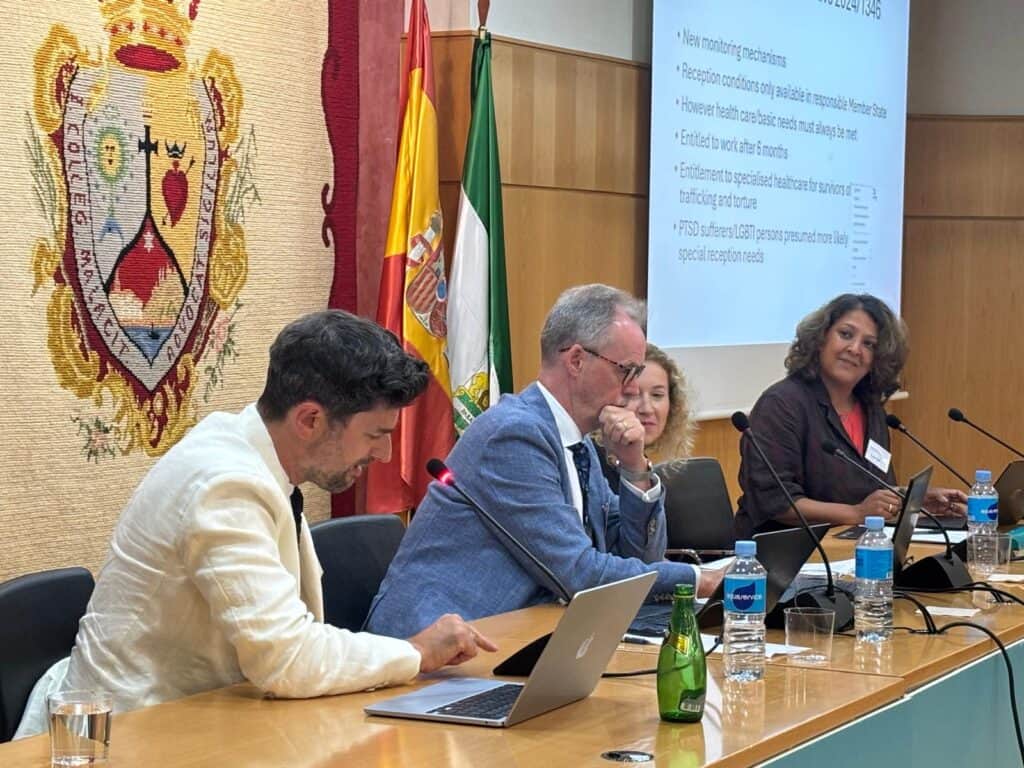
PANEL ON RECENT DEVELOPMENTS IN EU MIGRATION AND ASYLUM LAW
The final panel examined one of the most politically sensitive areas of contemporary European law: migration and asylum.
The discussion began by situating recent developments within the broader debates surrounding the European Convention on Human Rights and the future direction of migration policy. Speakers considered developments in both the European Union and the United Kingdom, highlighting the extent to which similar practical problems continue to arise despite diverging legal frameworks.
The panel examined the new EU Pact on Migration and Asylum, including issues relating to safe third countries, asylum processing, returns and reception conditions. Significant attention was given to the obligations imposed on states in relation to housing, welfare and basic living conditions for asylum seekers.
The discussion also explored procedural safeguards and access to legal assistance, focusing in particular on the newly created concept of “free legal counselling”. Concerns were raised regarding the quality, independence and confidentiality of advice provided to asylum seekers and the need to ensure meaningful access to justice.
A recurring theme was the tension between state interests in controlling migration and the continuing necessity of maintaining effective fundamental rights protections.
Key take-away:
Migration policy and fundamental rights cannot be separated. Effective legal safeguards remain essential if asylum systems are to operate fairly and lawfully.
CONCLUSION
Despite covering an extraordinarily wide range of subjects, from family justice and migration to international criminal law, judicial independence, cross-border enforcement and legal ethics, a remarkably consistent message emerged throughout the conference.
Speaker after speaker warned that the greatest threats to the rule of law are rarely dramatic. More often they arise gradually through administrative convenience, political pressure, resource constraints or apparently sensible reforms that, taken together, weaken accountability and legal protections.
Whether discussing asylum procedures, professional privilege, judicial review, defence rights, freedom of expression, coercive control or international advocacy, delegates repeatedly returned to the same conclusion: independent courts, independent lawyers and effective legal representation remain the foundation of democratic society.
The defining message of the conference seemed to be that the legal profession has a collective responsibility not merely to resolve disputes, but to defend the institutions and principles on which justice depends and across two days in Málaga, the speakers demonstrated a shared determination to continue doing precisely that.






If you are interested in becoming a member of the European Circuit, please complete our membership form using the link provided.
Join Us